Before you call anyone for quotes, spend a weekend just watching your yard. Where does the sun actually land at noon? Where does water sit after a heavy rain? Which tree or garden bed took you years to grow and you’re absolutely not touching? Most homeowners jump straight to picking pavers and forget this part, then end up with a patio that looks like it was dropped in from somewhere else instead of a yard that’s always looked like this was the plan. Honestly, this is what separates a DIY-looking project from the kind of hardscaping in Halifax that homeowners are proud to show off.
What Should You Look at Before You Start Digging?
Before any stone gets laid, walk the property with fresh eyes. Note the slope of the land, the location of downspouts, and which garden beds have taken years to establish – those aren’t details to work around later, they’re the starting point.
- Grade and drainage direction across the yard
- Mature trees, root zones, and established garden beds
- Sun and shade patterns through the day
- Existing structures like decks, fences, or sheds you’re keeping
Skipping this stage is the single biggest reason Halifax hardscaping projects need costly rework later.
How Do You Choose Materials That Actually Fit Your Yard?
Your existing landscape has already made some decisions for you – the tone of your siding, the stone in your foundation, the plant palette you’ve built up over seasons. Good hardscape contractors Halifax homeowners tend to hire will pull material choices from what’s already on the property rather than introducing something that fights it. A warm-toned paver reads very differently next to a cedar-heavy yard than against grey siding, and getting that pairing wrong is expensive to fix once it’s installed.
Why Does Drainage Deserve Its Own Conversation?
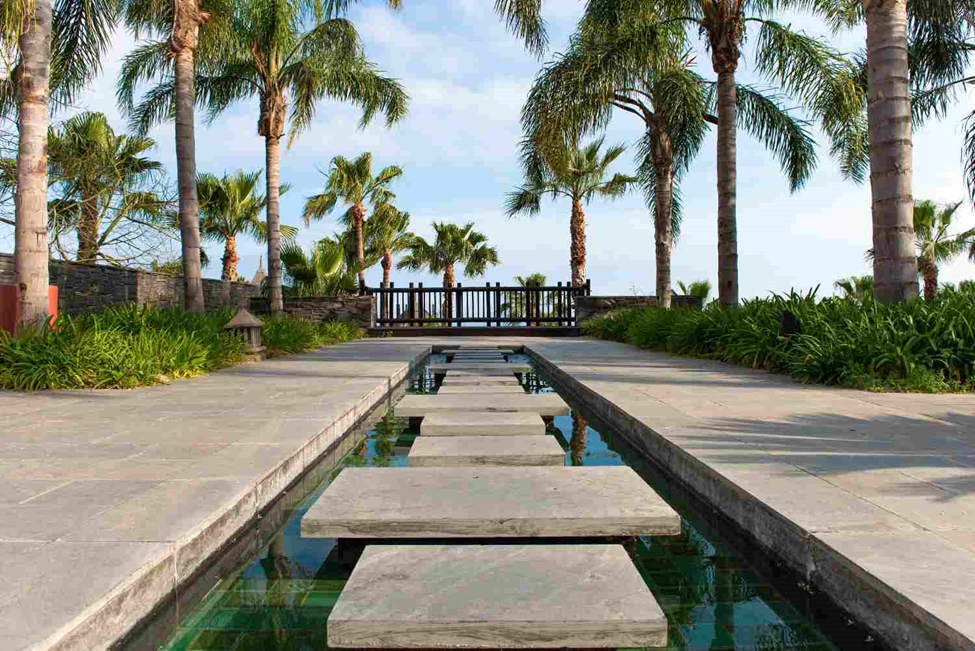
Nova Scotia’s wet, freeze-thaw climate is unforgiving on hardscaping that ignores water flow. A patio or walkway laid without accounting for existing grading can send runoff straight toward a foundation or your own new stonework, cracking and heaving within a season or two. This is where hardscaping in Halifax projects most often go wrong, and it’s rarely obvious until the first hard winter.
- Direct water at least six feet from foundations
- Grade patios and walkways with a slight slope away from the house
- Consider French drains or dry wells if pooling is already a known issue
When Is It Worth Bringing in a Professional?
DIY hardscaping can work for a small planter border, but retaining walls, drainage systems, and multi-level patios carry real engineering risk on the sloped, rocky lots common across HRM. Experienced hardscape contractors that Halifax property owners trust bring more than labour; they bring an eye for how a new structure will settle and age alongside plantings that took years to grow. With over 10 years working these specific soil and climate conditions, the team at Merci Landscaping has seen how much easier – and cheaper – projects go when the existing landscape is respected from the design stage on, rather than treated as an obstacle.
Ready to Build Something That Actually Belongs There?
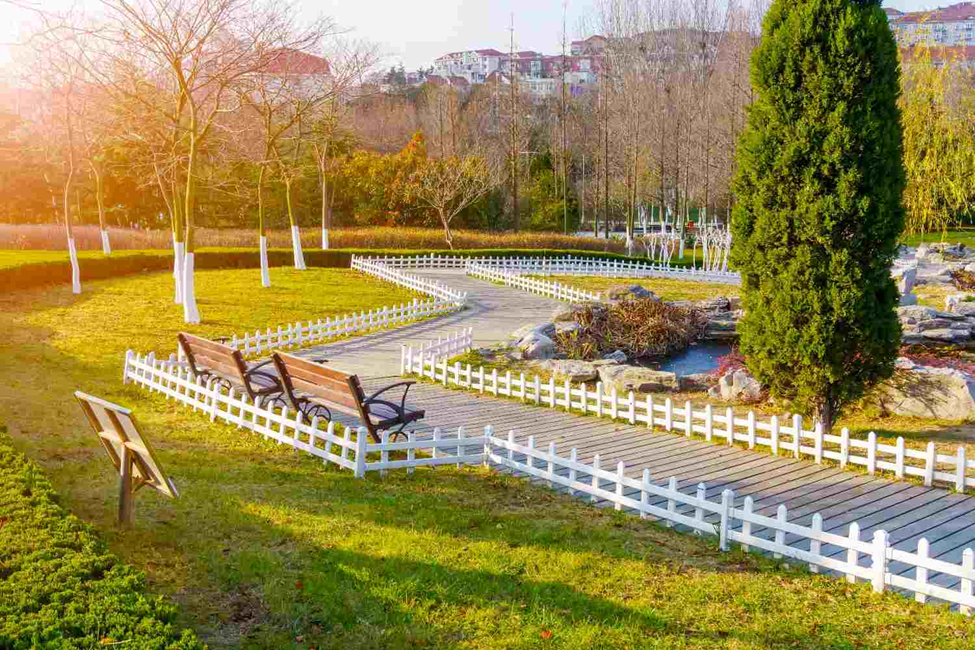
A well-planned hardscape should feel like it belongs in your yard, not like something added later. When you plan hardscaping in Halifax around the plants, trees, and other features you already have, you can avoid unnecessary changes and extra costs. The end result also feels more natural because the new space works with the landscape instead of taking over.
If you’re second-guessing any part of the plan, just ask. Merci Landscaping does free consultations, and getting one of our Halifax hardscape contractors out for a site visit is usually the fastest way to see what your yard’s already telling you.